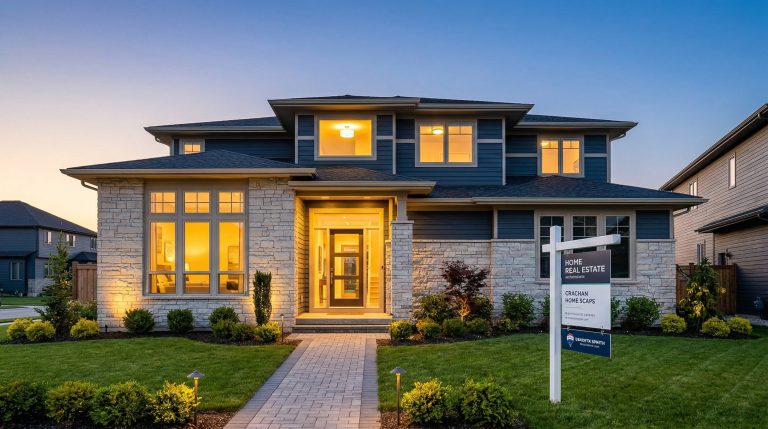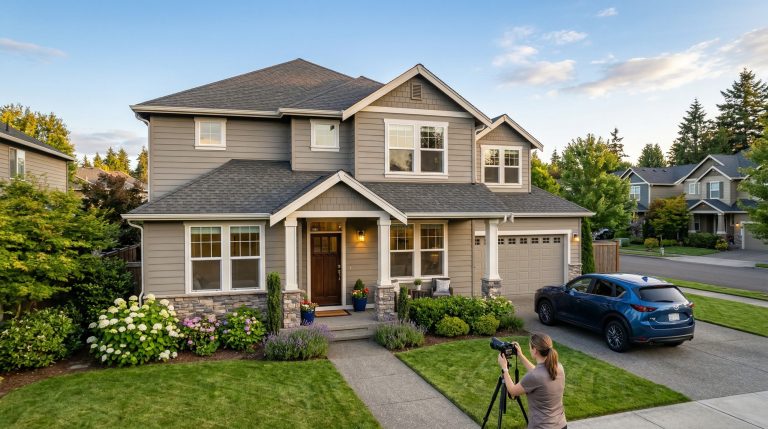
Walking into an empty house can be a surprisingly underwhelming experience. Without furniture to provide scale and purpose, rooms often feel smaller, colder, and less inviting. In today’s digital-first real estate market, where the first showing happens on a smartphone screen, an empty listing is a missed opportunity. This is where the strategic use of real estate media—specifically virtual staging—changes the game.
The Visualization Gap
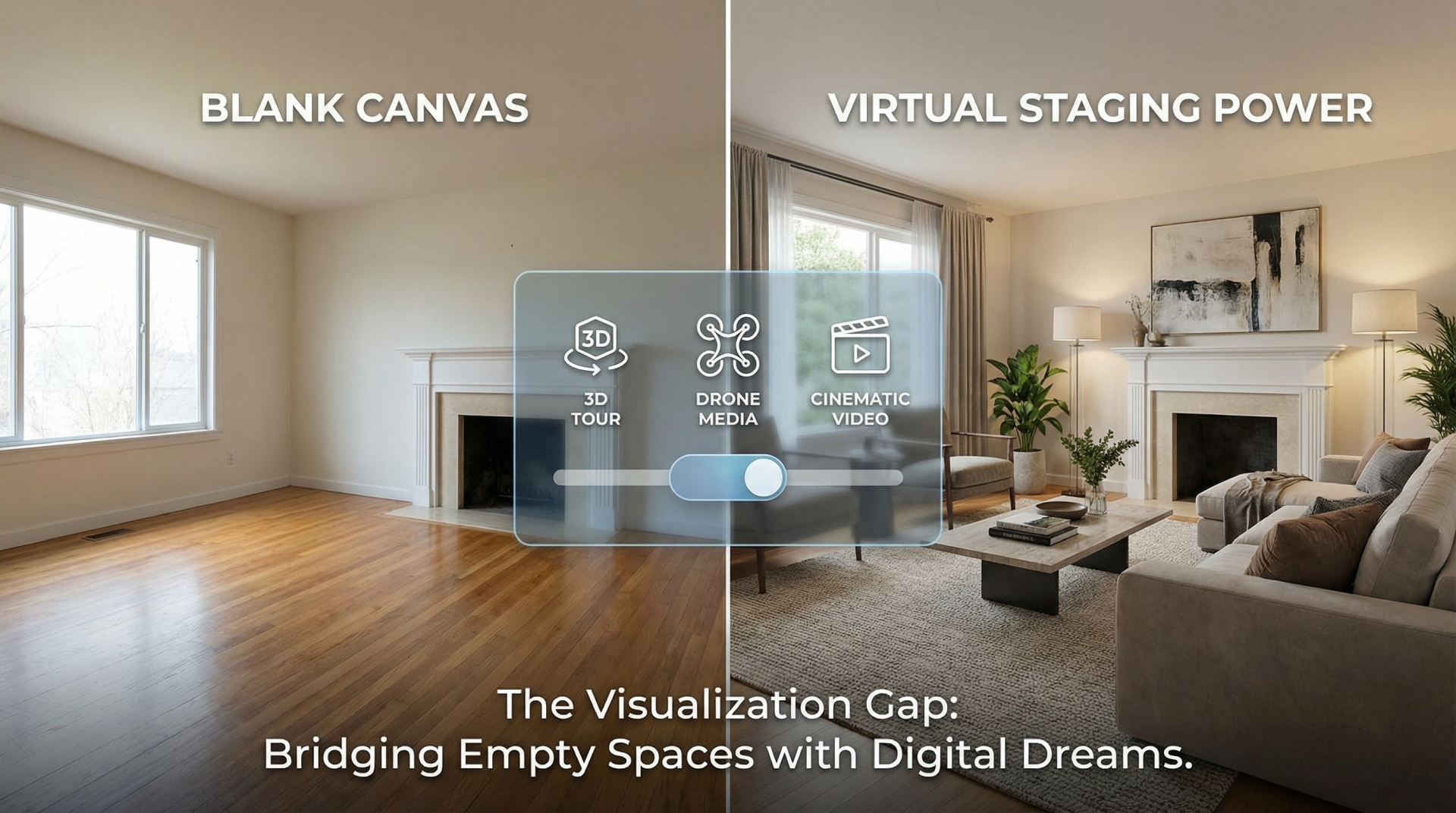
Most homebuyers struggle to visualize how a space will function. An empty living room might leave them wondering if their sectional sofa will fit, or if there is enough room for a dining table. Virtual staging bridges this ‘visualization gap.’ By digitally placing high-end furniture and decor into professional photographs, you provide a clear blueprint for living. Recent 2024 industry trends highlight that listings with high-quality visual content receive up to 40% more clicks than those without. When buyers can see a lifestyle rather than just four walls, they are far more likely to schedule an in-person tour.
The Media Ecosystem: More Than Just Photos
While virtually staged photos are the hook, they work best as part of a comprehensive media package. Modern buyers expect an immersive experience. Consider these essential tools:
- 3D Tours: Platforms like Matterport allow buyers to ‘walk’ through a staged home. Coupling virtual staging with a 3D tour creates a seamless digital walkthrough that feels lived-in.
- Drone Photography: While staging captures the interior, drone media captures the context. Showing a beautifully staged home in relation to its neighborhood and local amenities provides the full picture.
- Cinematic Video: A video tour that transitions from empty rooms to virtually staged layouts can be a powerful storytelling device, highlighting the potential of the property.
Cost-Effectiveness and Agility
Traditional staging can cost thousands of dollars and involves the logistics of moving physical furniture. Virtual staging offers a fraction of the cost with much higher flexibility. If a property isn’t attracting the right demographic, the ‘digital furniture’ can be swapped from a modern minimalist look to a traditional family style in a matter of days. This agility is crucial in a market where interest rates and buyer preferences are constantly shifting.
The Bottom Line
In an era where the National Association of Realtors (NAR) reports that 82% of buyer’s agents say staging makes it easier for buyers to visualize a property, the verdict is clear. If you are listing a vacant home, you aren’t just competing with other houses; you are competing for attention. By investing in a full suite of real estate media—professional photography, drone shots, and virtual staging—you aren’t just listing a property; you are presenting a dream. In the end, that is what sells.