Why First Impressions Happen Long Before the Front Door
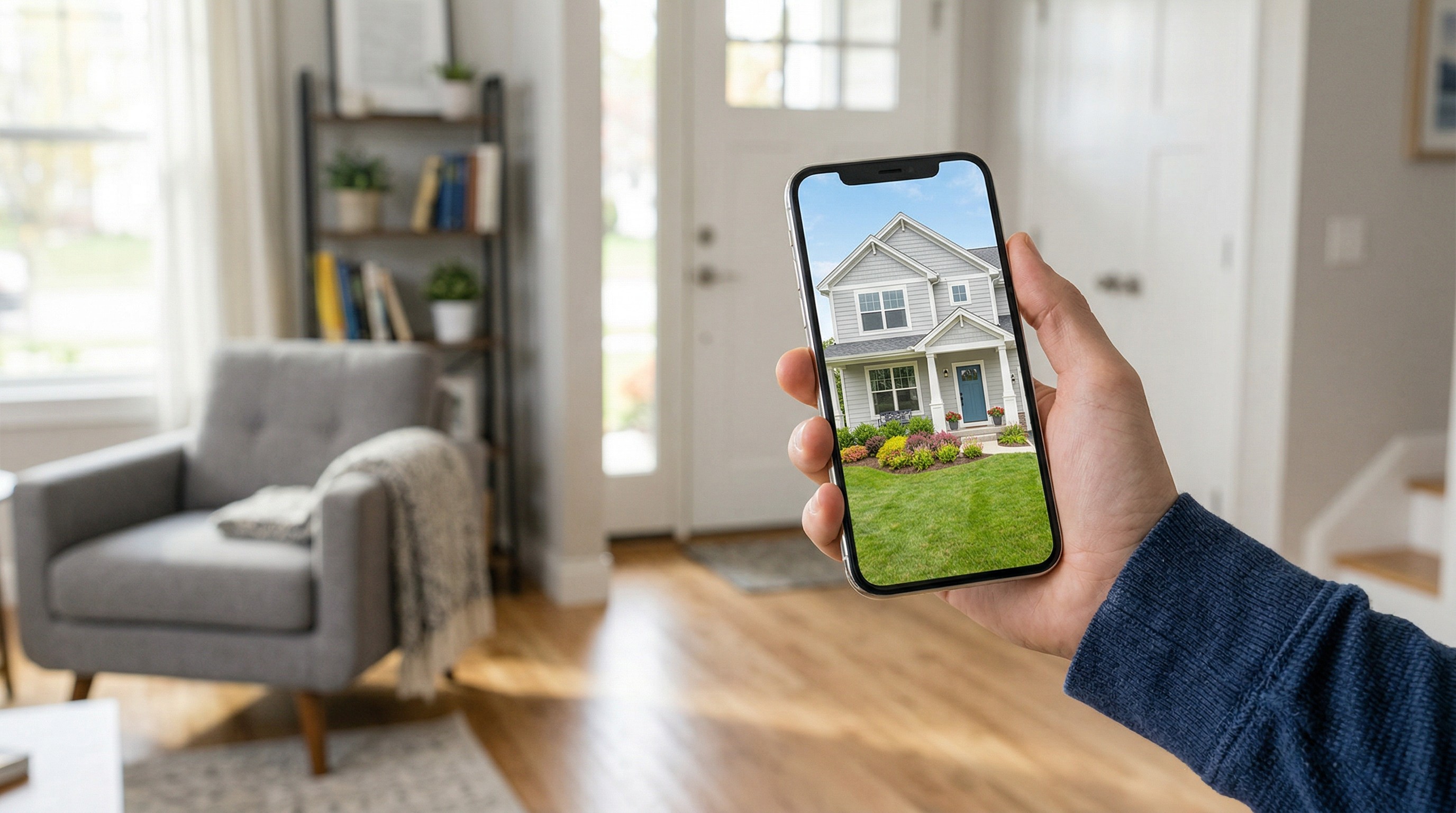
In the modern real estate market, the ‘first showing’ doesn’t happen at the property. It happens on a smartphone screen, usually while a potential buyer is scrolling through a third-party app during their lunch break. You have approximately two seconds to capture their attention before they swipe to the next listing. This is where the hidden costs of low-quality photography begin to add up.
While it might be tempting to save a few hundred dollars by using a smartphone or a low-budget hobbyist, the long-term financial impact of poor media can be devastating to a home’s sale potential. Here is why ‘cheap’ photos often end up being the most expensive choice a seller or agent can make.
1. Increased Days on Market
Time is money in real estate. The longer a property sits on the market, the more ‘stale’ it becomes in the eyes of buyers. Statistics consistently show that listings with high-quality, professional photography receive significantly more clicks and inquiries than those with dark, blurry, or poorly composed images.
When a home sits because the photos failed to generate excitement, you aren’t just losing time; you are losing leverage. After 21 days, buyers begin to ask, “What is wrong with this house?” This leads to low-ball offers and a loss of the ‘new listing’ momentum that is crucial for a premium sale.
2. The Perceived Value Gap
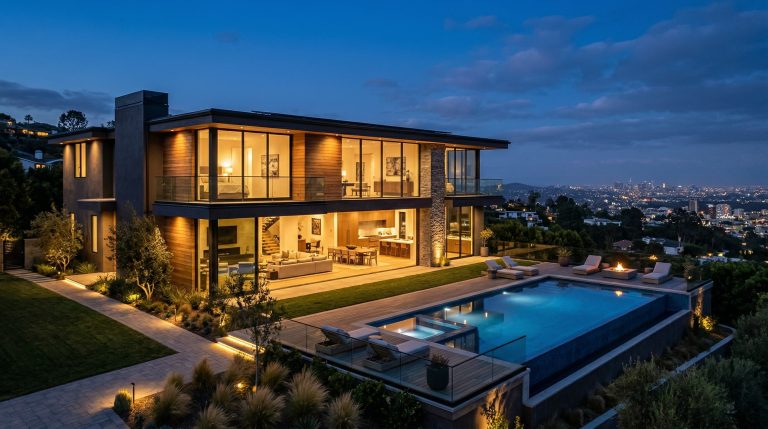
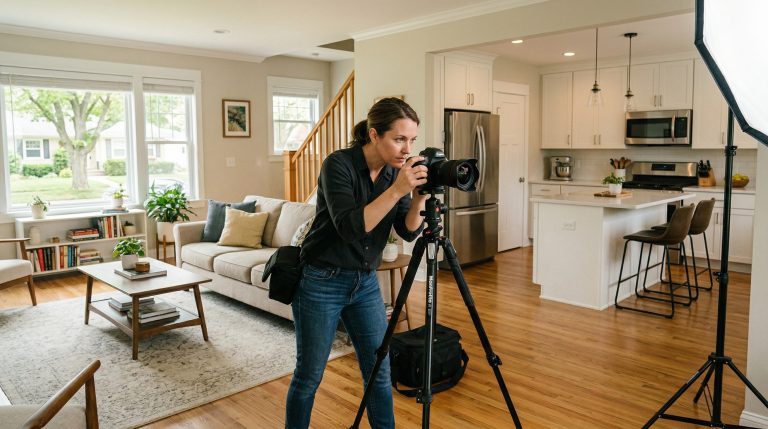
Real estate is as much about emotion as it is about square footage. Professional media—including wide-angle interior shots, drone photography, and cinematic video—creates a narrative of quality. It tells the buyer that the home has been cared for and is worth the asking price.
Conversely, grainy photos with ‘vertical tilt’ issues or cluttered rooms suggest a lack of effort. If the marketing looks cheap, buyers subconsciously assume the home itself might have hidden maintenance issues or that the seller is desperate. This psychological gap often leads to offers thousands of dollars below the original asking price.
3. Missing the ‘Passive’ Buyer
There are two types of buyers: those actively searching and those ‘passively’ looking. Active buyers might overlook bad photos if the specs match their needs, but passive buyers—those who weren’t planning to move but fall in love with a ‘dream home’ online—will never even click on a listing that doesn’t look stunning.
By using low-quality media, you are effectively invisible to the lifestyle buyer who is moved by the beauty of a 3D virtual tour or the sweeping views of a drone shot. You are essentially shrinking your pool of potential high-value bidders.
The New Gold Standard: Beyond the Still Image
Today, ‘good’ photos are the bare minimum. To truly stand out and avoid the hidden costs of poor marketing, savvy agents are employing a full media suite:
- Drone Photography: To showcase the neighborhood, proximity to parks, and the true scale of the lot.
- 3D Virtual Tours: To allow out-of-state buyers to ‘walk’ the home, increasing the likelihood of sight-unseen offers.
- Walkthrough Video: To create an emotional connection and show the flow of the floor plan in a way photos cannot.
Final Thoughts: Investment vs. Expense
Professional real estate media should never be viewed as an expense; it is a strategic investment in the final sale price. The ‘savings’ found in using low-quality photos are quickly erased by a single price reduction or an extra month of mortgage payments while the home sits unsold. In a competitive market, your digital curb appeal is your most powerful tool. Don’t let a bad photo be the reason a buyer never walks through your front door.